


 Patients and Parents
 Visitors
 Healthcare Professionals
 Research
 Donate and Support
 About HKCH
HKCH Newsletter
Breast Milk Bank nourishes fragile newborns with love
- Share :
-

-

-

-


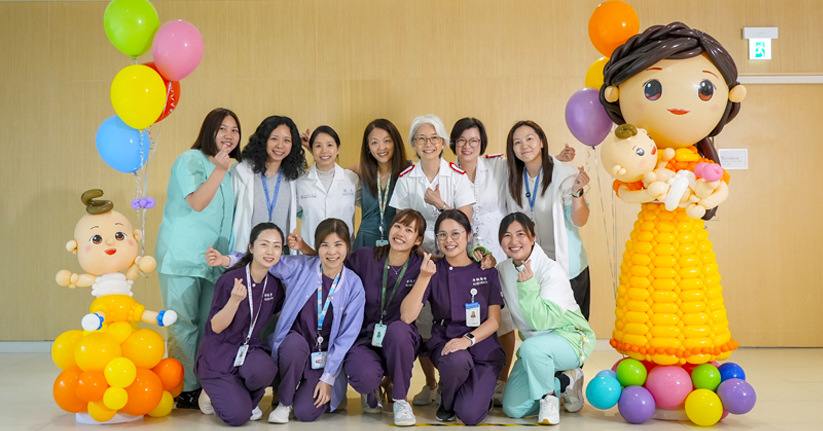
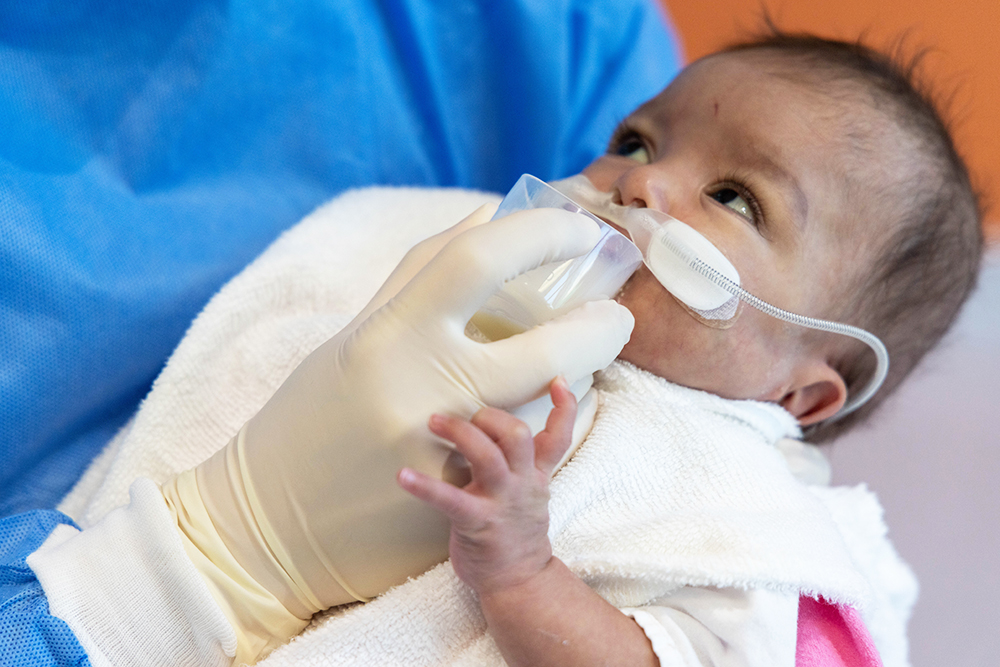
Breast milk is the optimal source of nutrition for babies, and for extremely premature and critically ill newborns, it can even save their lives by preventing infections and complications. The Hong Kong Children's Hospital operates the city's first breast milk bank which supplies pasteurised donor breast milk to the neonatal intensive care units (NICUs) of all public hospitals for babies with clinical needs.
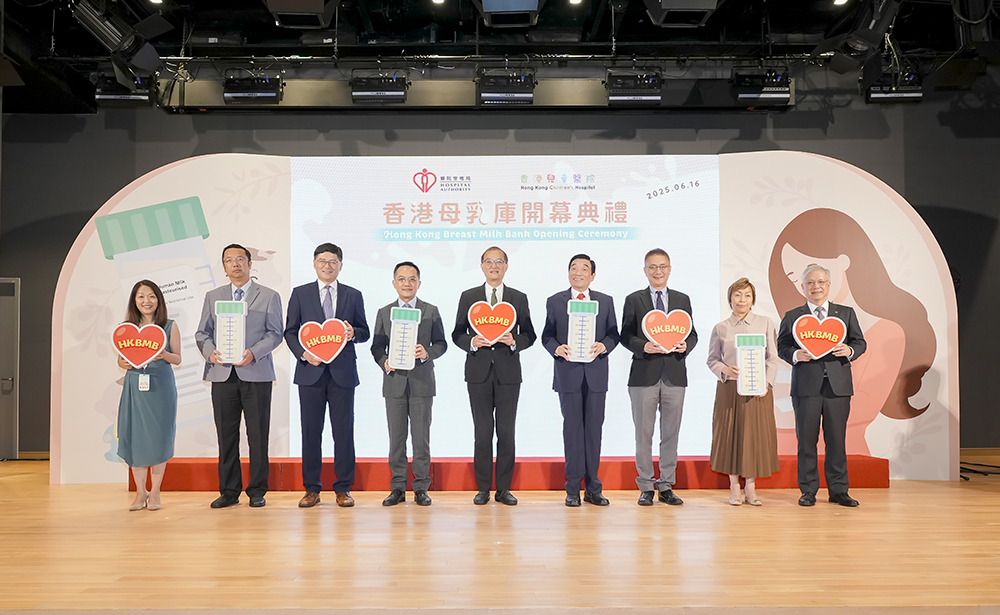
In the 2023 Policy Address, the government announced the establishment of a breast milk bank and the donation mechanism. The Hospital Authority then set up a steering committee and working groups to plan for the service. The Hong Kong Breast Milk Bank (HKBMB) commenced operation this January. HKBMB Director Dr Rosanna Wong, who is also the Chief of Service of HKCH Department of Paediatrics & Adolescent Medicine, said, “Since there was no local precedent, we visited the milk banks in Shenzhen, Guangzhou, Singapore and Australia to learn about their physical set up, service model, manpower establishment and promotional strategies. We also considered local factors in formulating our guidelines and workflows. For example, as most Hong Kong mothers are in the workforce, we arrange courier service to collect milk from donors’ homes to save their hassles.”
Dr Wong explained that the HKBMB is responsible for coordinating the collection, processing, screening, storage, and distribution of donor milk, similar to the hub-and-spoke paediatric service model of HKCH. This makes HKCH a natural choice to host the milk bank.
Rigorous procedures to ensure safety and hygiene
Breast milk donation is a new concept in Hong Kong. Donors and recipient families are understandably concerned about its hygiene and safety. Therefore, gaining public trust is of utmost importance. HKBMB Deputy Director and microbiologist Dr Sally Wong said, “We have overcome various challenges and developed protocols adhering to international standards. The HKBMB has obtained ISO 22000 and HACCP accreditation in food safety management.”
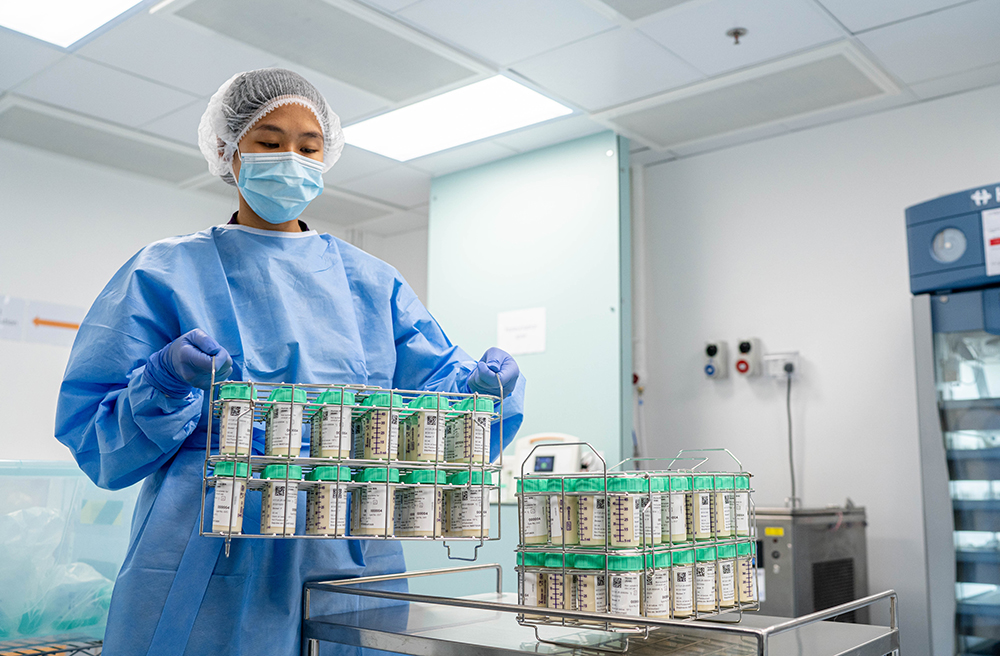
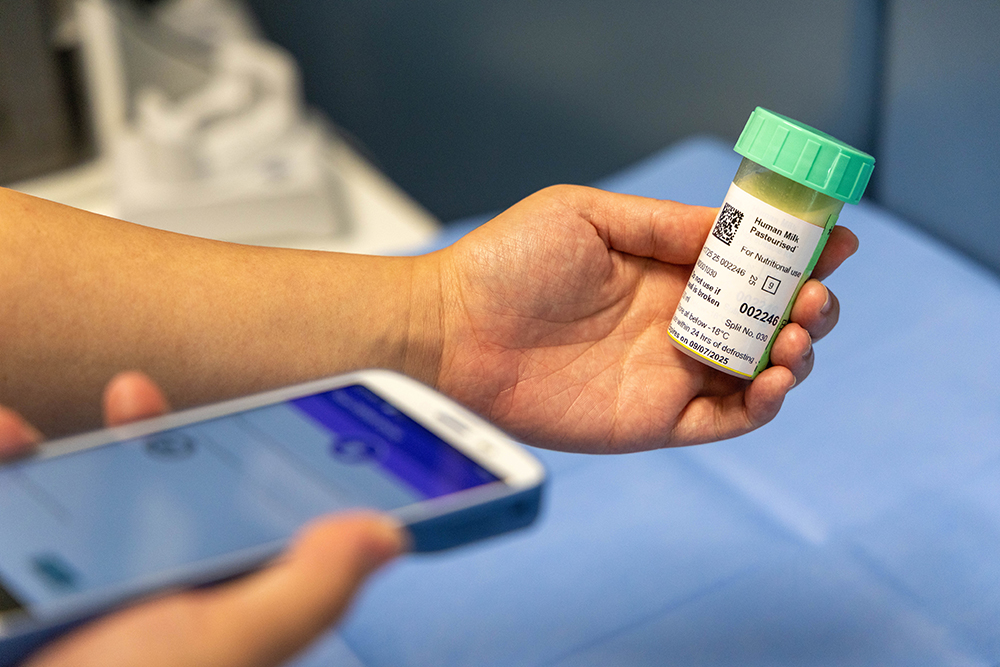
Medical Technologist Wong Hoi-wai supplemented that some essential equipment does not even have a local distributor. She thanked the hospital’s procurement team for communicating with manufacturers, ensuring that the milk bank would be equipped with a clean environment and high-quality equipment.
Every drop is a gift of love
A sufficient and continuous supply of donor milk is vital in sustaining the milk bank service. Advanced Practice Nurses Christine Lam and Rebecca Wong are responsible for donor recruitment and support. Once they took up the role, they have worked tirelessly to produce promotional materials and liaise with the obstetric and paediatric units in various HA hospitals as well as the Maternal and Child Health Centres to invite breastfeeding mothers to register. Their daily work also includes interviewing potential donors for health screening, arranging blood tests, providing breastfeeding counselling to donors, and regularly following up their health condition.
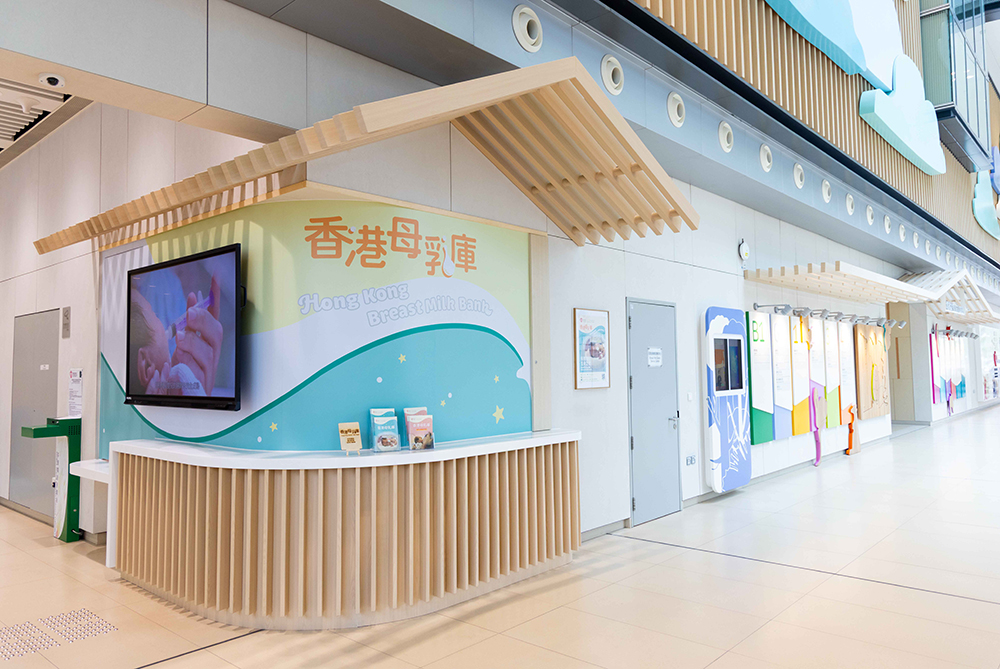
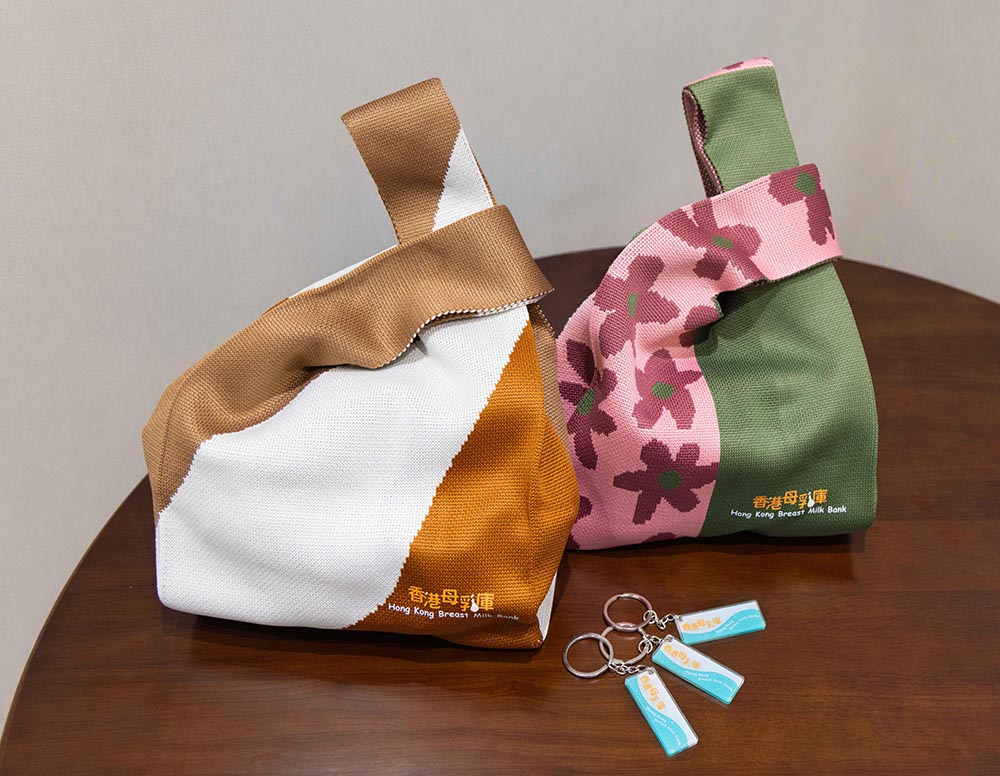
In just six months after service commencement, the HKBMB had already collected over 1,000 litres of donor breast milk, which already reached the yearly target. As of mid-July, over 280 donors have successfully registered, and about 200 babies have been benefited. Dr Rosanna Wong expressed her gratitude, “The achievement has far exceeded our expectations. It demonstrates the love of Hong Kong mothers and the collective effort of all parties involved. We will continue to deliver high-quality service, and increase parents’ acceptance of donor milk. Our long-term goal is to conduct related research to further improve milk quality, and leverage the success of the HKBMB to promote breastfeeding in the society.”
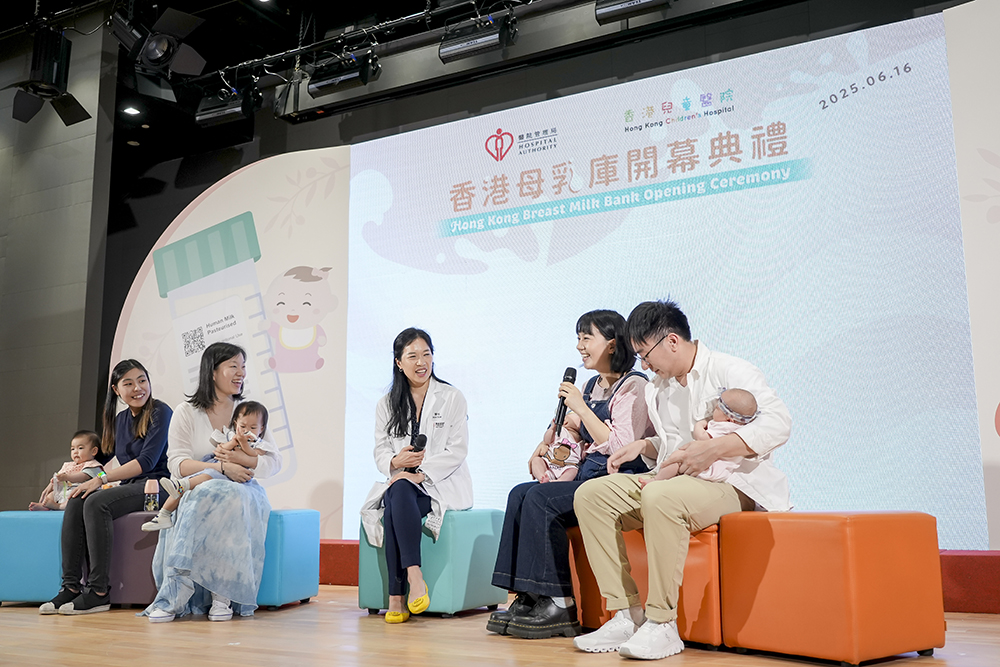
A lifeline for premature twins
Mrs Tong still remembers the gut-wrenching arrival of her twin daughters at just 32 weeks. They were immediately admitted to the NICU of Queen Elizabeth Hospital. “I burst into tears the first time I saw my daughters. They were so tiny, with tubes all over their bodies.” When the parents were first introduced to donor milk, they hesitated. Said Mr Tong, “I had prejudice to use some strangers’ milk. But when I read the pamphlet that donor breast milk could reduce the risk of necrotising enterocolitis in premature babies, I gave consent immediately. I simply wanted my daughters to be safe and well.”
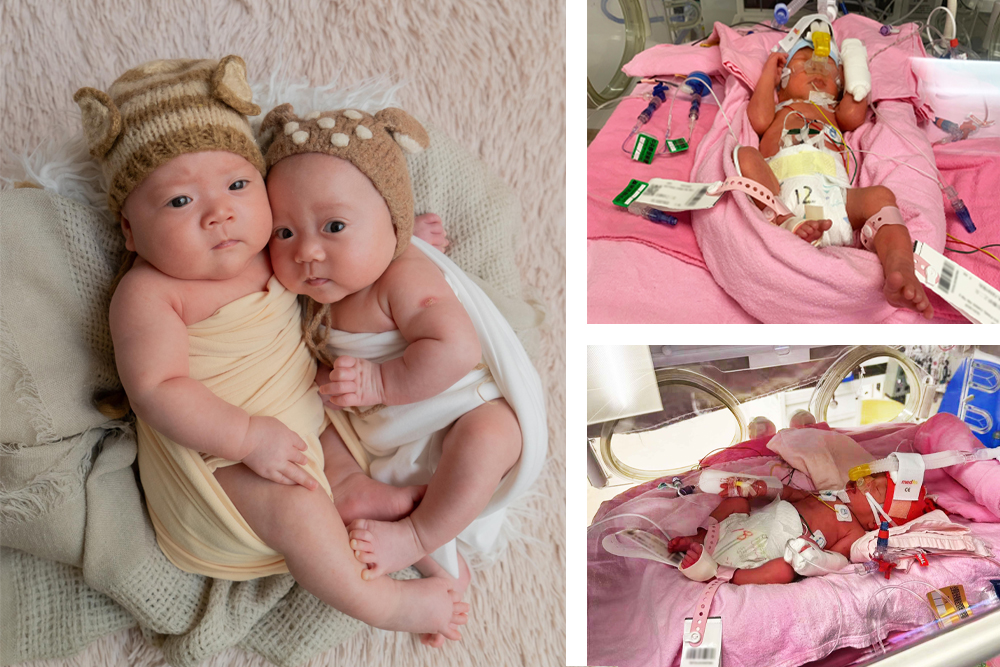
Mrs Tong said that donor milk greatly alleviated her anxiety when she was unable to produce enough breast milk for both babies. “I’m very grateful to the donors for dedicating their time and effort to express milk. They are so loving and selfless.” The twins eventually recovered and went home, while Mrs Tong has successfully built up her own milk supply to feed them adequately.
More about donor breast milk
- Donors must be breastfeeding their own babies under one year old and receive health screening interview and blood test for infectious diseases.
- Donor are given guidelines for expressing and storing breast milk properly. The milk is then collected from their homes by the designated courier service and delivered to the HKBMB via cold-chain transport.
- All milk undergoes rigorous processing at the HKBMB, including microbiological testing, pasteurisation and nutritional analysis to ensure safety and quality.
- With parental consent, qualified breast milk is prescribed by doctors for infants who meet the clinical criteria.