


 Patients and Parents
 Visitors
 Healthcare Professionals
 Research
 Donate and Support
 About HKCH
HKCH Newsletter
Choosing the right toys
- Share :
-

-

-

-


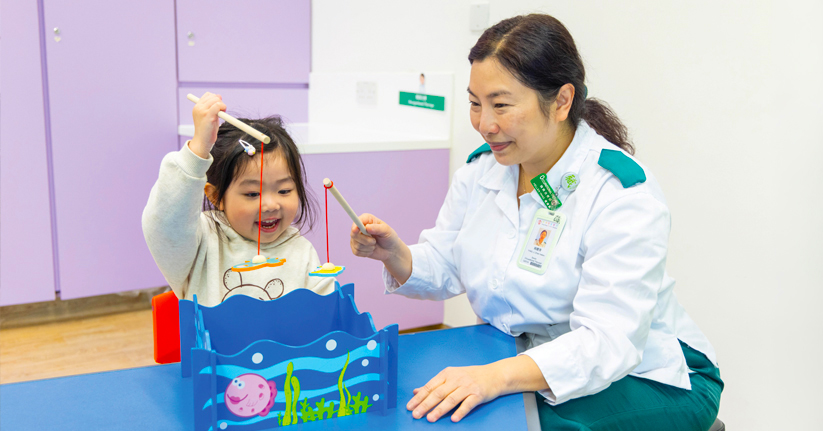
Toys not only bring joy, but also promote children's physical, cognitive and social development. However, introducing toys far beyond their abilities may cause frustration. Parents are recommended to choose toys of optimal level of challenge.
Match toys to age and development
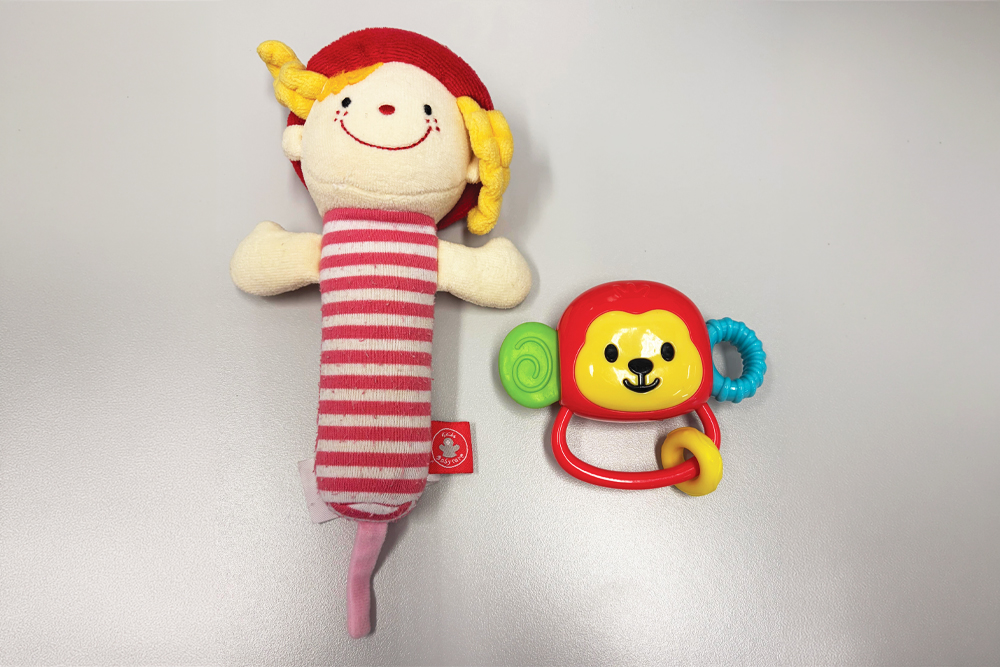
0-1 year
- Development focus: sensory exploration, body movement development, establish object causal relationships
- Recommended toys: cloth books, contrasting colour picture cards, teethers, press-to-sound toys, rattles
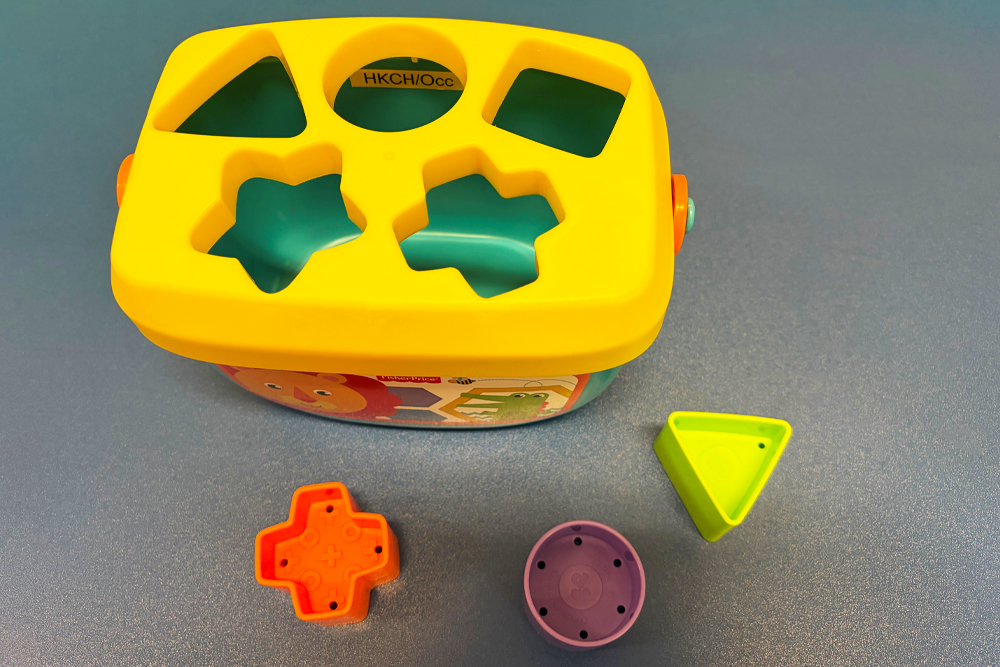
1-3 years
- Development focus: motor coordination, hand manipulation, matching concepts, pre-writing, pretend play
- Recommended toys: push carts, balls, building blocks, threading toys, sorting toys, crayons, cooking set
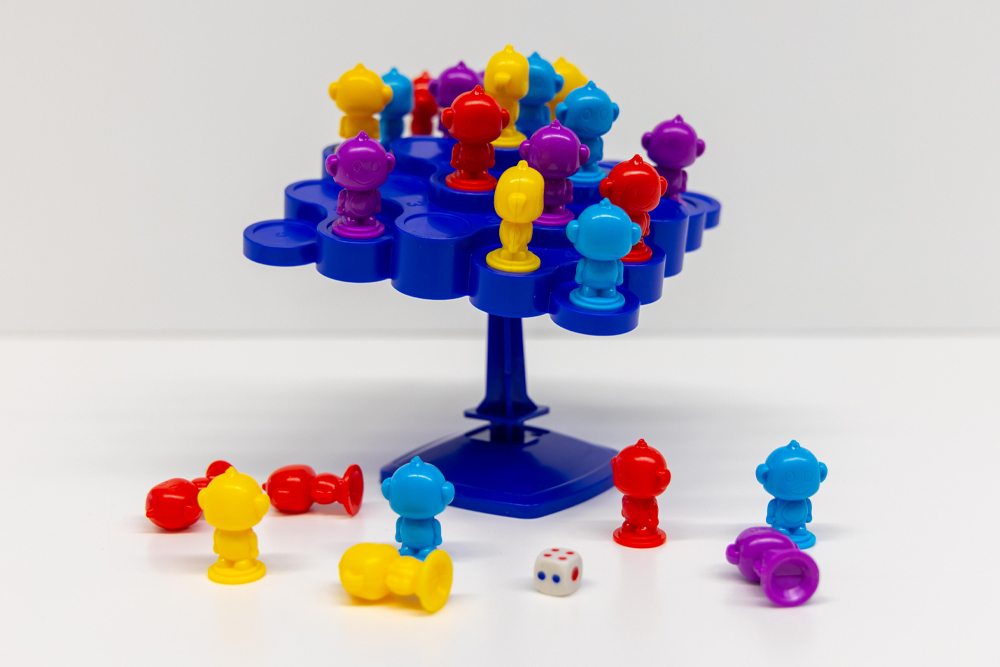
3-5 years
- Development focus: movement coordination, hand manipulation, tool use, creativity, role-playing, social skills, problem-solving, build up frustration tolerance
- Recommended toys: balls, balance beam, puzzles, construction sets, balancing stacking toys, craft sets, medical play set, simple board games
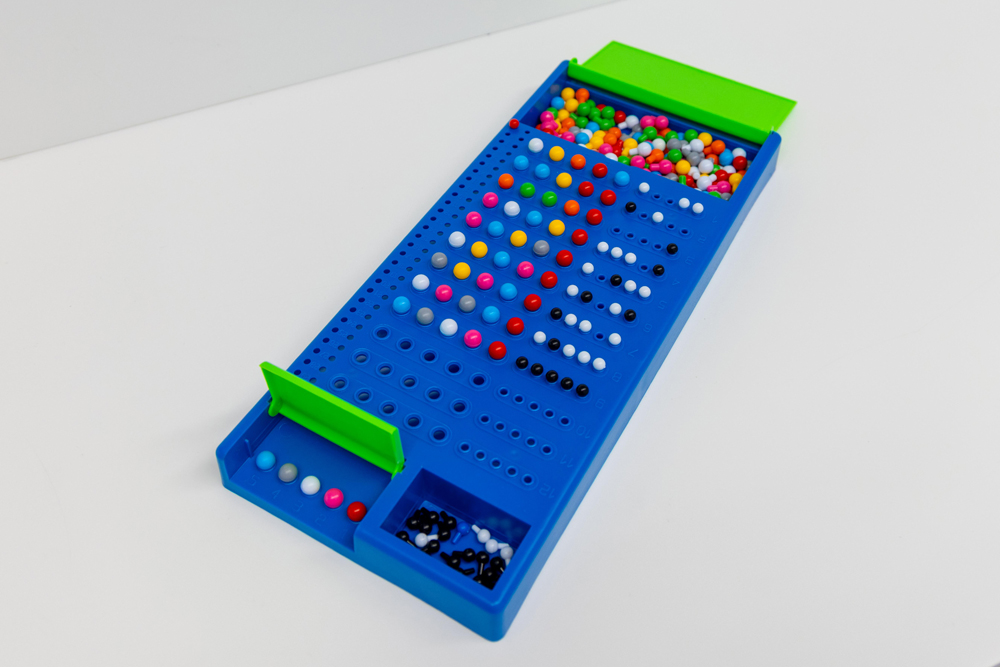
6 years or above
- Development focus: motor coordination, response speed, logical thinking, strategic planning, social skills, frustration tolerance, creativity, develop specific interests
- Recommended toys: balls, jumping rope, model assembly, strategic board games, craft sets, scientific experiment sets
Safety precautions: avoid toys with small parts (for children under three), splinters, sharp edges or long cords.
Myths about toys
- Use toys to replace companionship: Toys are just the medium; quality parent-child interaction is key to healthy child development
- Over-intervention and guidance: Let children explore freely, and learn through trial and error
- Keep buying new toys: Put away some toys and rotate every one to two weeks to keep things fresh, and help children focus on exploring
── Occupational Therapy Division