Patients and Parents
 Visitors
 Healthcare Professionals
 Research
 Donate and Support
 About HKCH
HKCH Newsletter
A new page of renal service
The 1st kidney transplant
- Share :



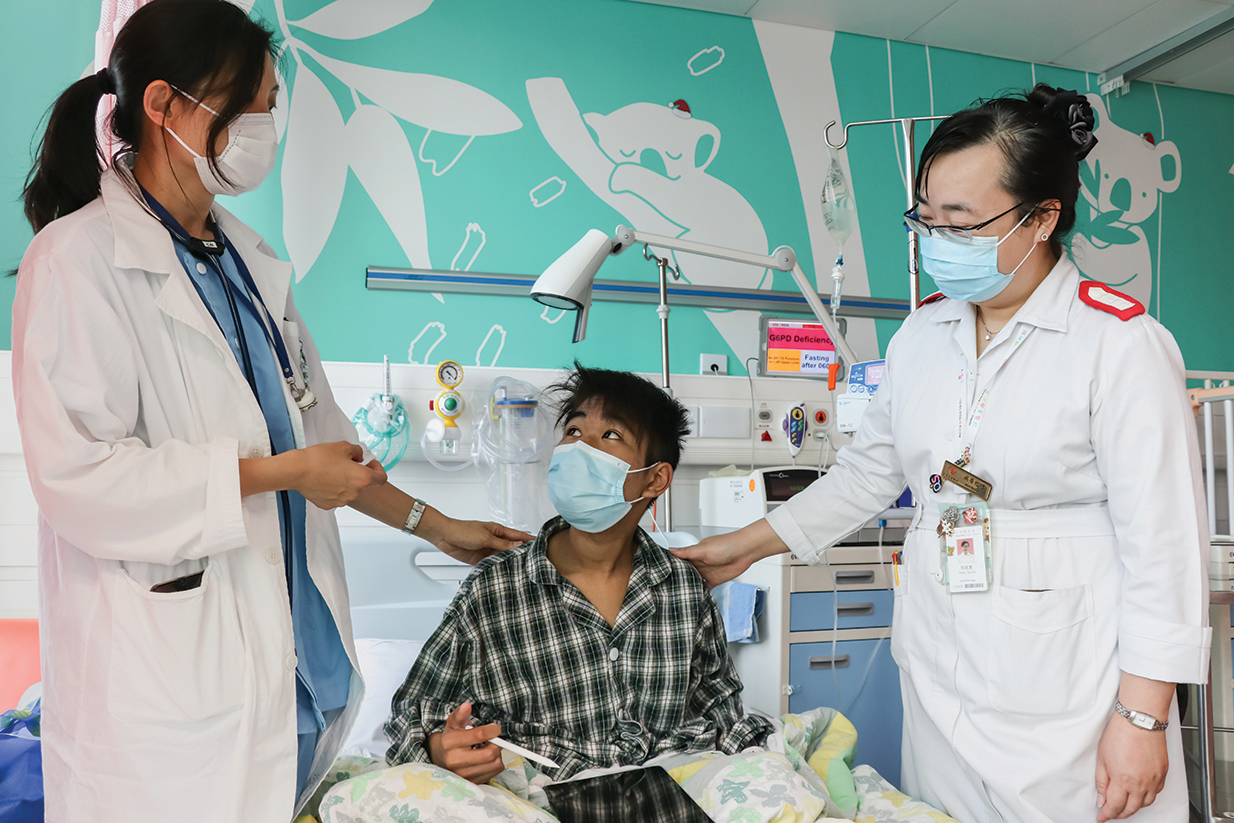
The HKCH performed its first kidney transplant at the start of 2021. The recipient, Kin-cheung, is a teenager with focal segmental glomerulosclerosis and had been on peritoneal dialysis for a year and a half. Right before his birthday, he got a call from the hospital that changed his life, “I was quite surprised as I heard other patients had to wait several years.” He was admitted right away for tests and sent into the operating theatre the following evening.
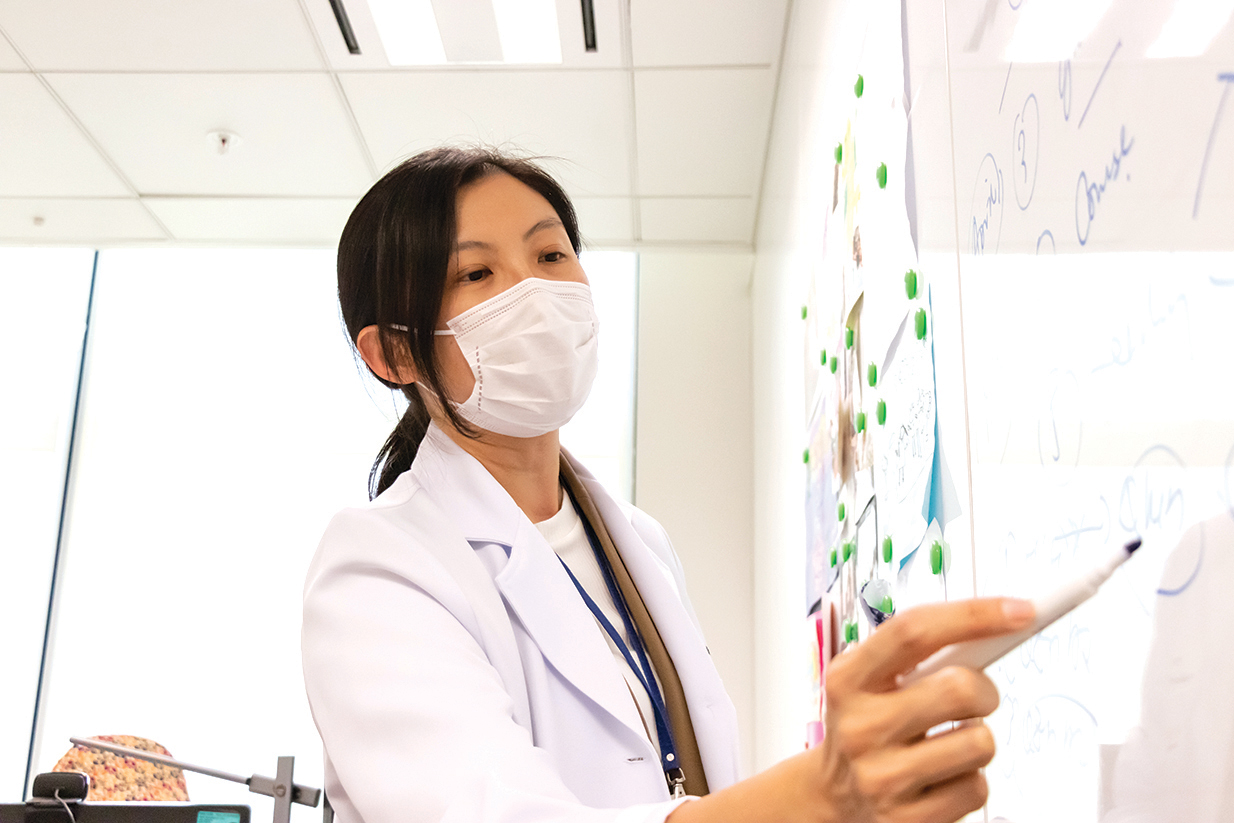
Dr Alison Ma, Consultant of HKCH’s Nephrology recounted that upon learning a donated kidney was available, they immediately communicated with the urologists of the Princess Margaret Hospital (PMH) who were going to perform the transplant. They assessed the kidney’s quality, conducted matching of the patients on the waiting list, including their age, duration of dialysis, and blood and tissue compatibility. At the same time, other teams in HKCH prepped to play their parts. For example, the Paediatric Intensive Care Unit would arrange a bed for post-op care, Radiology Department readied for ultrasound scan, and Pathology Department prepared for biopsy tests.
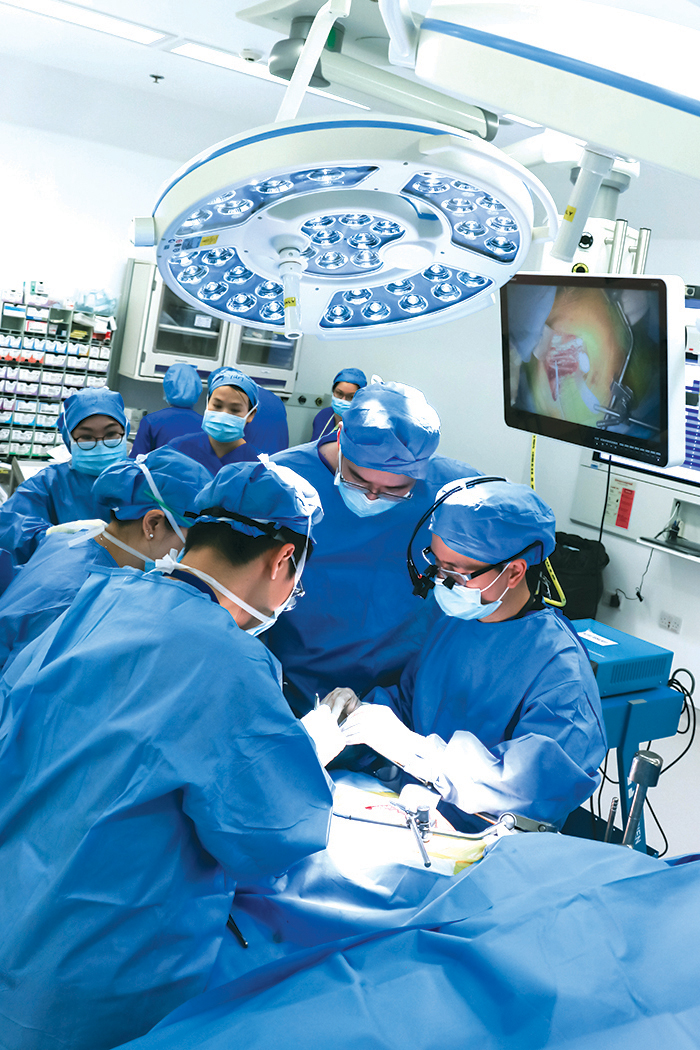
A challenging operation
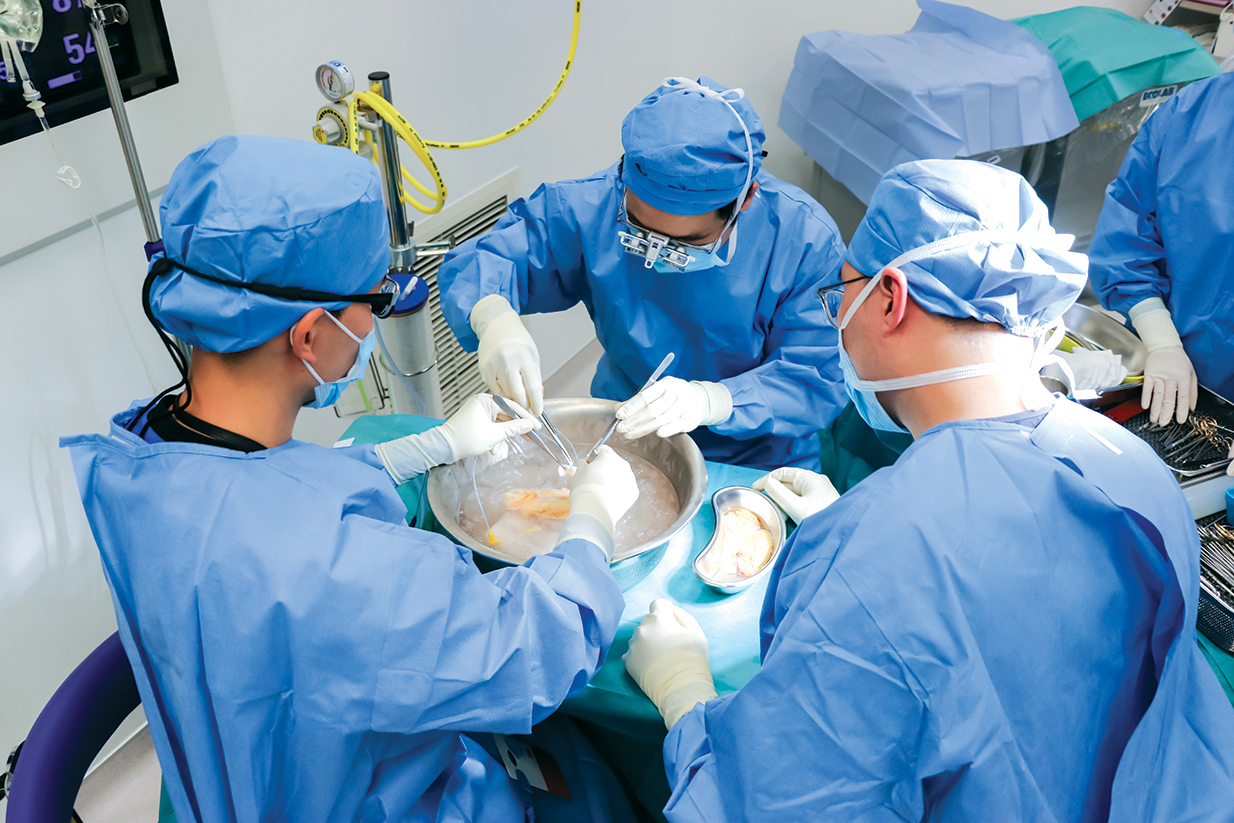
PMH Consultant Urologist Dr Ma Wai-kit recalled that while preparing the donor’s kidney in the theatre, they found the aortic patch incomplete. At that moment, they decided to perform a vascular reconstruction before transplanting the graft kidney to the patient to prevent future stenosis.
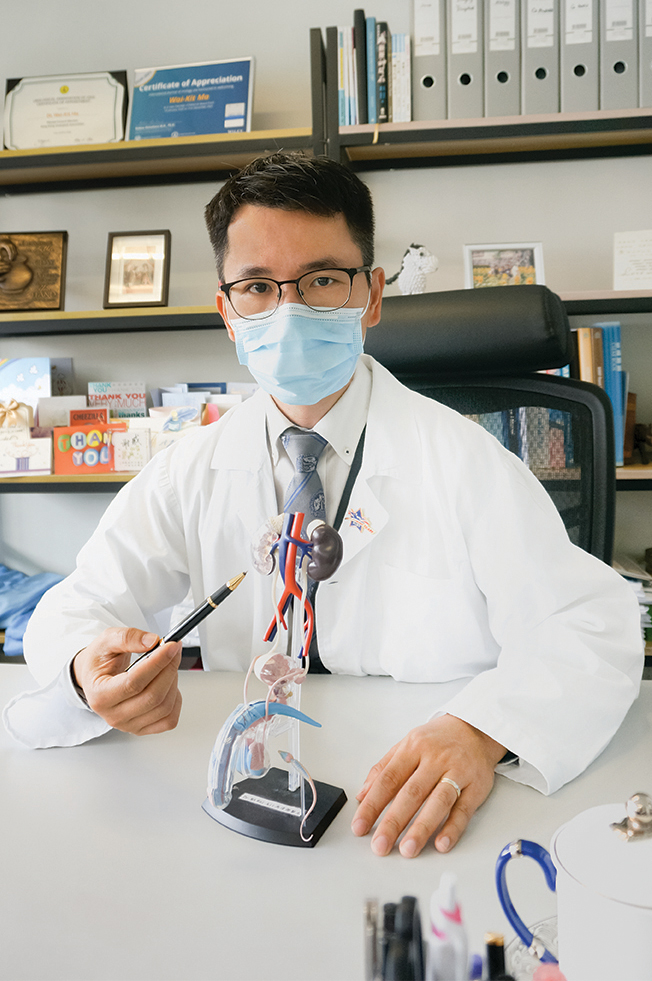
The operation was further complicated as the donor’s kidney had double arteries. The surgeons exercised extra caution when trimming off the surrounding tissues and keeping the vessels intact.
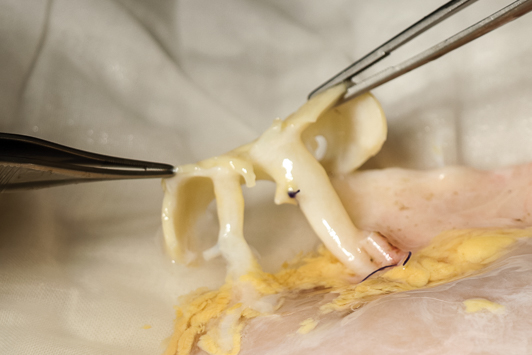
The kidney also had to be placed in the body very accurately to ensure it would work properly. Said Dr Ma, “The patient is young with much time ahead of him, so we tried to perform everything as detailed as possible.”
When vessels were unclamped, the transplanted kidney instantly turned red, indicating normal blood flow. Right when everyone was about to breathe a sigh of relief, the patient suddenly developed hypotension. Anaesthesiologists injected cardiotonic drugs right away, and his blood pressure quickly normalised. Dr Ma also thanked the nurses for their swift response which helped make the operation successful.
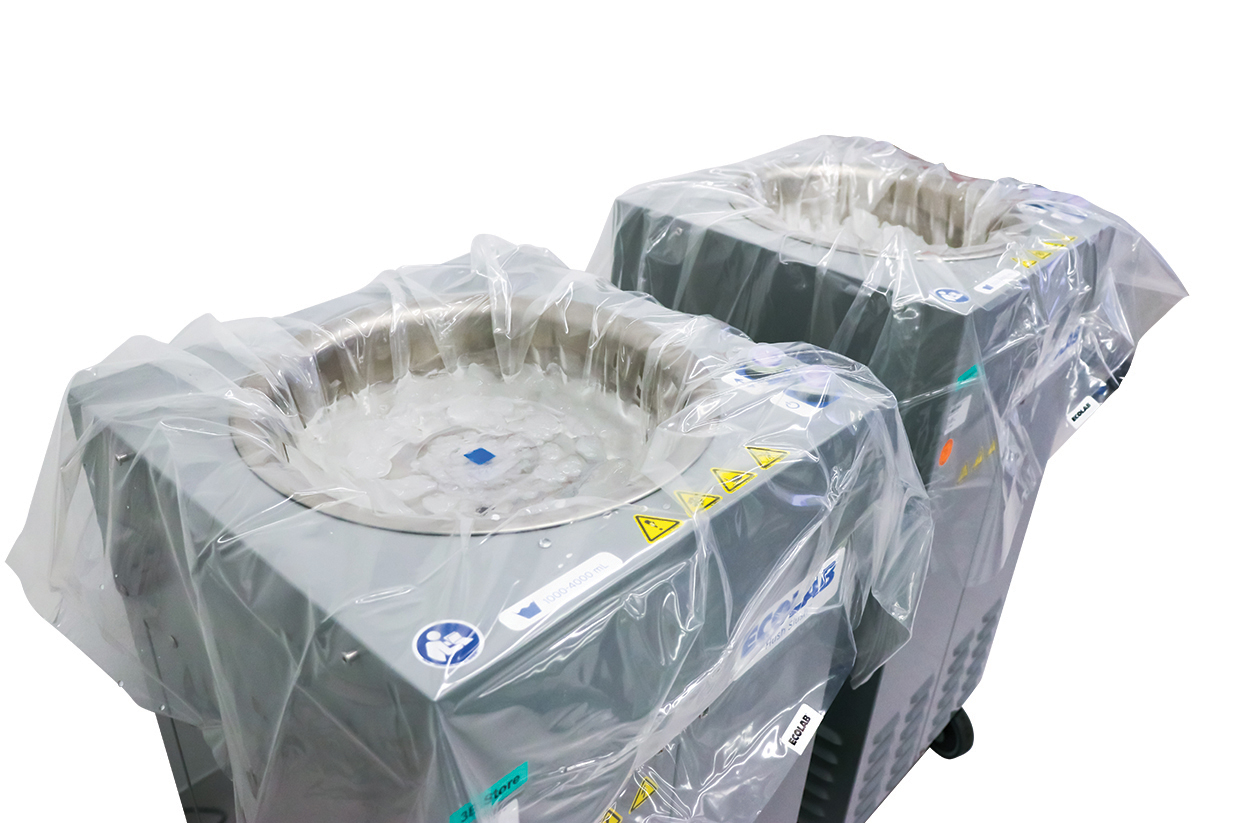
Organ donation saves lives
After the transplant, Kin-cheung has to take immunosuppressants regularly, but is no longer tied to a dialysis machine at home every night. Dr Alison Ma explained, “Kidney transplant is the best curative treatment for end-stage renal diseases. Even with dialysis, patients may suffer from other related conditions and a compromised quality of life.” The Nephrology team has individualized management plans for patients enlisted for transplant to ensure the best surgical outcome.
The HKCH is the only HA hospital offering chronic renal replacement therapies for children (including peritoneal dialysis, haemodialysis and kidney transplant). The hospital’s transplant service was ready to commence early last year, but unfortunately, there had not been any matching cadaveric kidney until this case. At present, there are 20 paediatric patients waiting for transplant. Dr Alison Ma appealed to the public to support organ donation. At the same time, her team is exploring innovative methods to help more patients and reduce their transplant waiting time by using 3D-printed organ models to assist surgical planning for smaller children. The first living related transplant is also expected to take place this year.
Inside the operating theatre
1. Patient called back for check-ups to confirm fit for transplant.
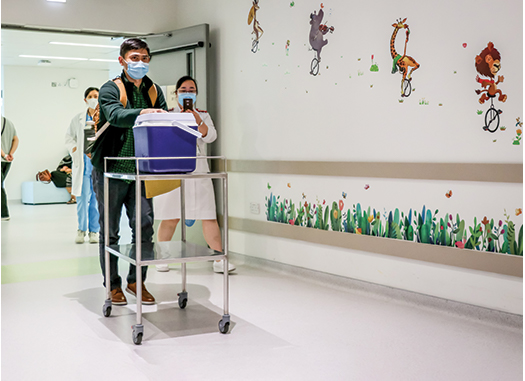
2. Organ donation coordinator escorting the donor’s kidney to the operating theatre.
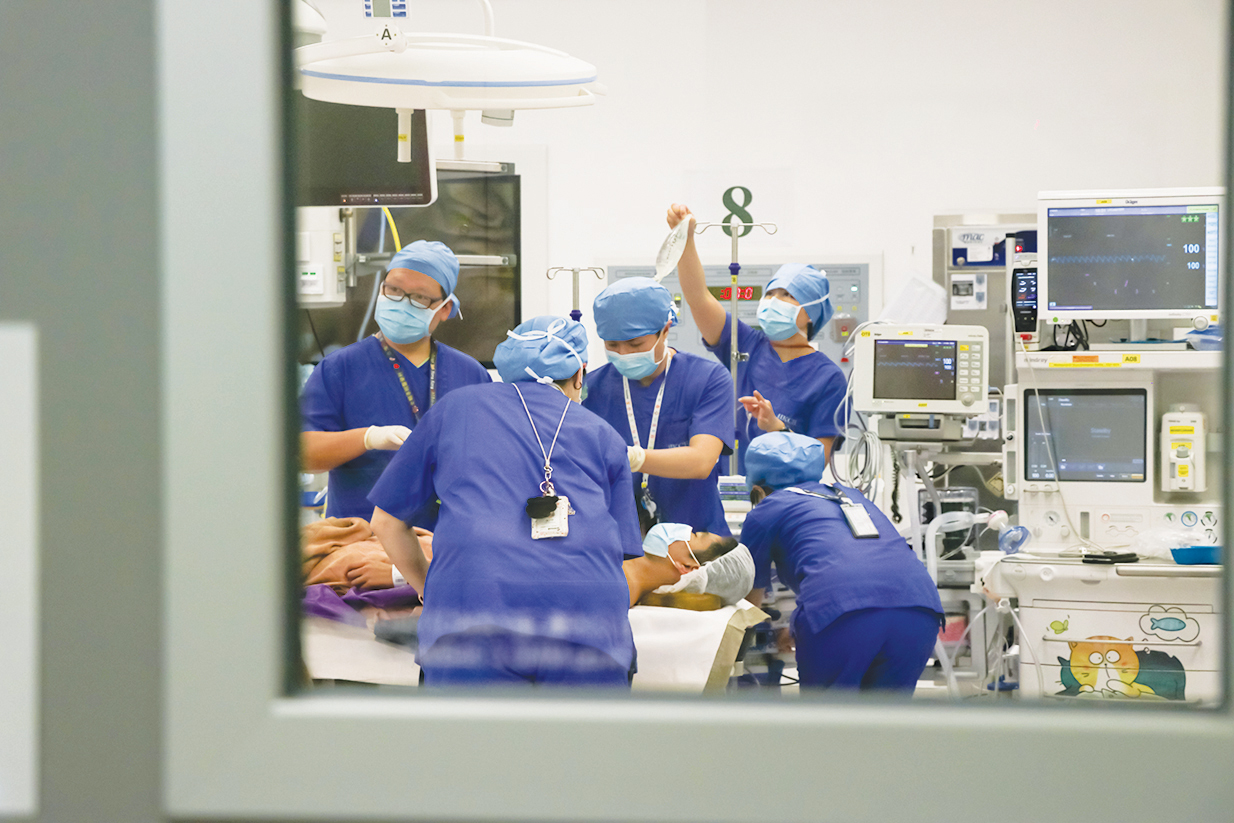
3. Prepping the patient for anaesthesia.
4. Urologists carefully trimming off unwanted fat and tissues surrounding the kidney.
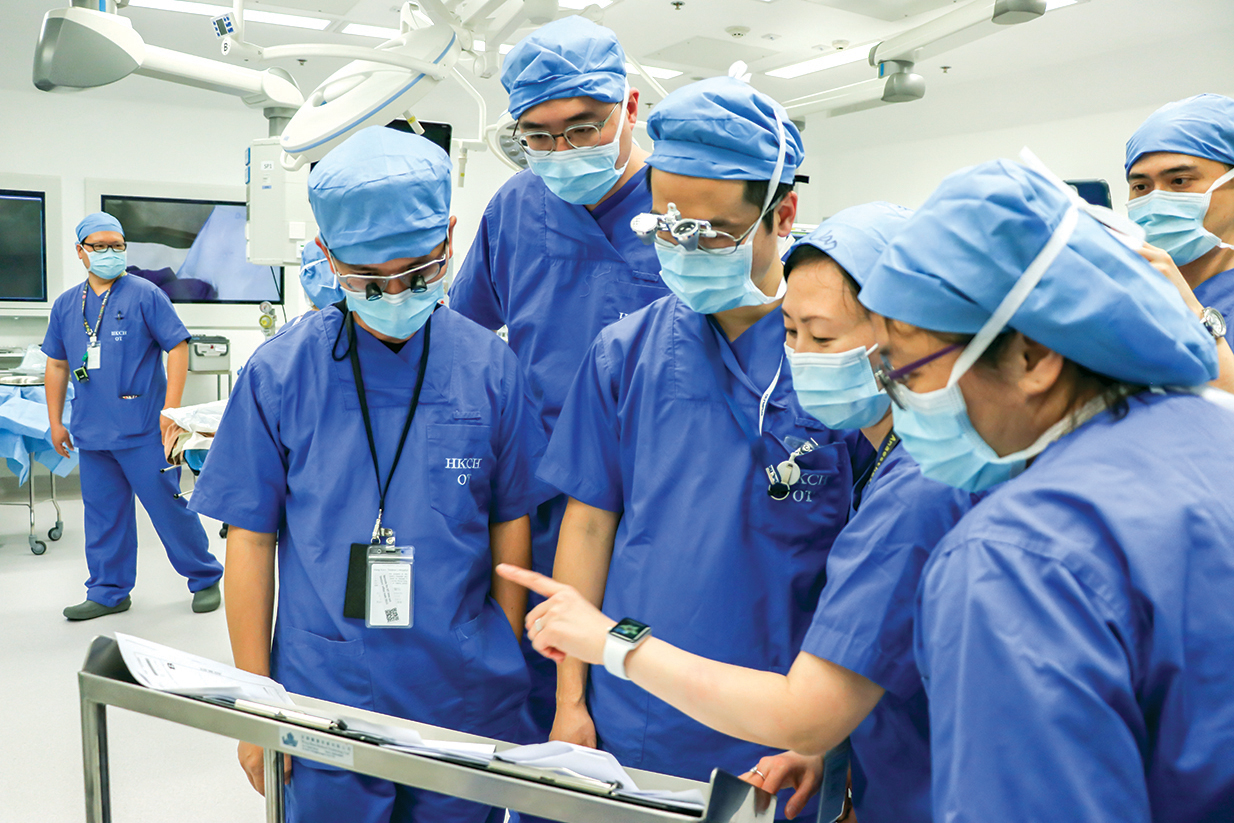
5. Final check before surgery begins.
6. Placing the new kidney into the patient’s body, which involves connecting blood vessels and the ureter, and insertion of a temporary ureteral stent.