Hospital Authority
Site Map

HKCH Newsletter

From blueprint to reality: the roadmap for research

  • Share :  
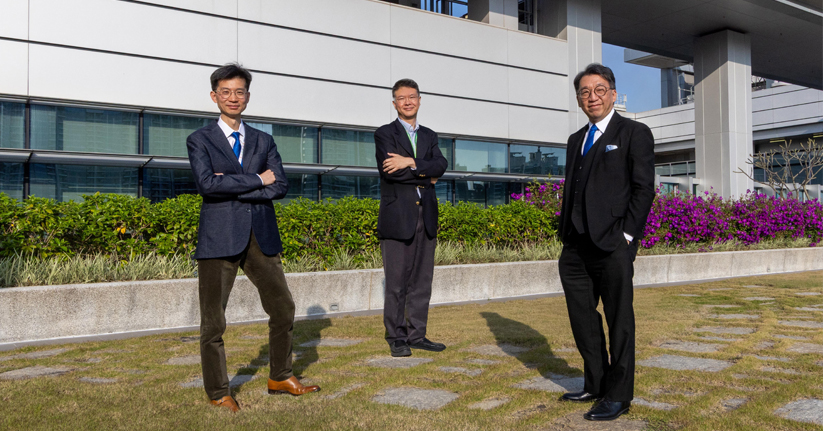
Group photo of Dr Jason So, Prof. Albert Li and Prof. Cheung Yiu-fai
▲ HKCH set up the Research Steering Committee to strengthen research governance. Its Co-chairmen are (from left) Dr Jason So, Prof. Albert Li and Prof. Cheung Yiu-fai.

In the Hong Kong Children’s Hospital, the seeds of research had been sown before the first brick was laid. Co-chairman of the HKCH Research Steering Committee Dr Jason So talked about how various factors, from robust governance and state-of-the-art infrastructure to strategic funding support, work together to power the hospital’s vision toward research excellence.

Dr Jason So explained, "HKCH specializes in managing complex and rare diseases like genetic disorders and cancers, where many unknowns remain regarding causes and outcomes. Research is the only way to fill these knowledge gaps. Whether it is basic or translational research, our mission is clear: to provide patients with the best possible treatment."

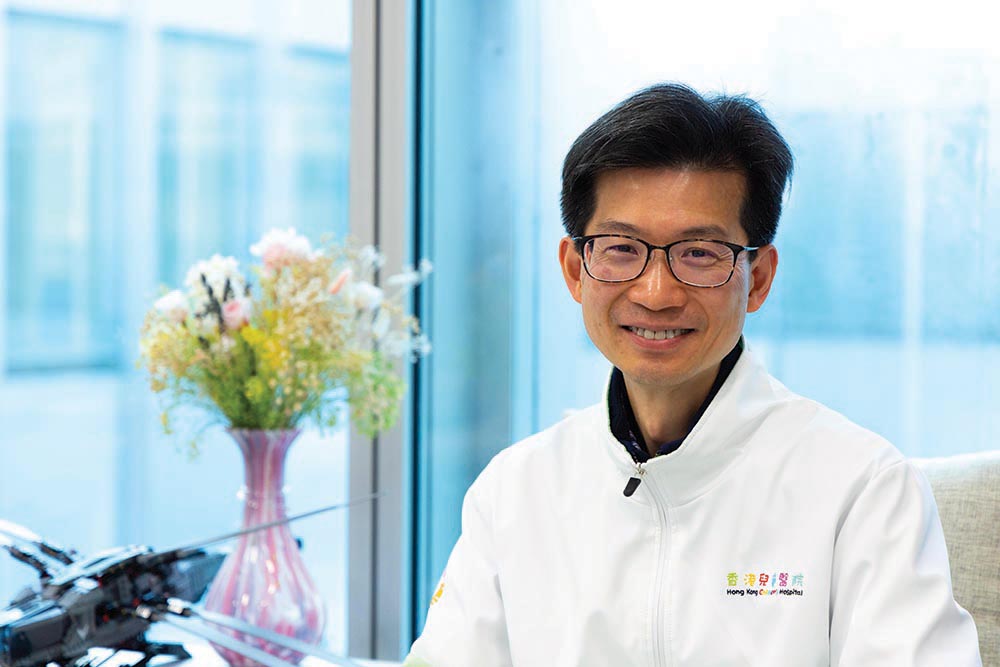
Dr Jason So
▲ Dr Jason So believes that medical knowledge advances in a tremendous pace. Research is the backbone that ensures the HKCH can keep up and become a true centre of excellence.

Designated infrastructure and resources


During the design stage, the hospital specifically allocated zones for research, including more than 3,700 square metres on the 8th and 9th floor of the Training and Research Tower as basic research laboratories. Dr So noted, "This is unprecedented in the Hospital Authority!" The hospital also received government funding to procure core research equipment to be shared by researchers. This forward-looking planning enabled research teams from the University of Hong Kong and the Chinese University of Hong Kong to smoothly move in in the early days. Moreover, the government's Health and Medical Research Fund invited HKCH to conduct commissioned paediatric research projects, with a total budget of $20 million.

Core facilities of research laboratories

  • Cell and tissue culture rooms
  • Bioimaging platform (e.g. confocal and super-resolution microscopy systems)
  • Flow cytometry platform
  • Multiomics platform (e.g. proteomic analyzer, tandem mass spectrometer)
  • Biobank and cryogenic storage
  • Bioinformatics and computing platform
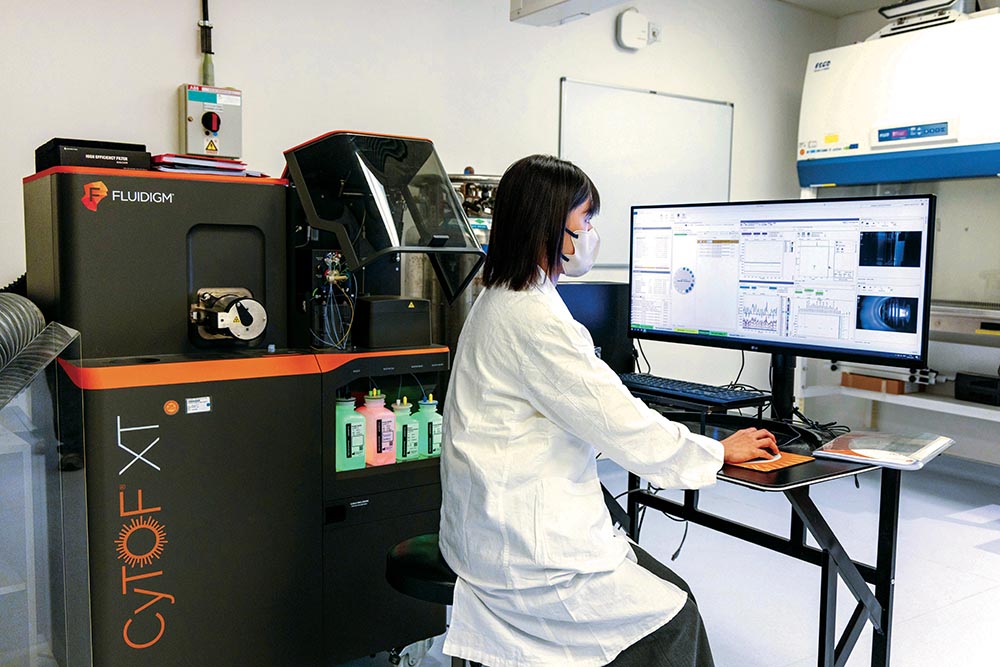
Mass Cytometer
▲ Equipped with a suite of advanced equipment, the research laboratories provide a shared platform for different teams to conduct a diverse range of scientific studies.

Data centre
▲ The high-performance computing clusters housed in the data centre can handle massive research data, assisting researchers to perform complex analyses.

Good governance as cornerstone


To ensure research quality and trust, robust governance is essential. HKCH Research Steering Committee, comprising the hospital management and representatives from the Hong Kong Academy of Medicine and the two medical faculties, oversees research strategy setup and resources allocation. There are other committees to manage different research branches. Additionally, HKCH supports the Hospital Authority Central Institutional Review Board in vetting research applications related to children to ensure they meet ethical and scientific standards. From 2019 to 2025, 568 applications were approved via the HKCH.

Such large scale of operations is supported by a dedicated research office. "The team handles everything from administrative support for various committees to ethics and grant applications, procurement and lab operations. This allows our research teams to work more smoothly," Dr So remarked.

Seizing the opportunity for translational research


Dr So said, "With these unique strengths, HKCH is second to none for those looking to conduct paediatric research in Hong Kong." He reckoned that the next steps are to strengthen ties with the Chinese Mainland and other countries, in particular to leverage the vast population of the vicinity, to further standardize research management, and to obtain relevant accreditations. This would attract more investment and collaboration, allowing the translation of research into tangible drugs, diagnostic tools and medical devices that benefit patients.

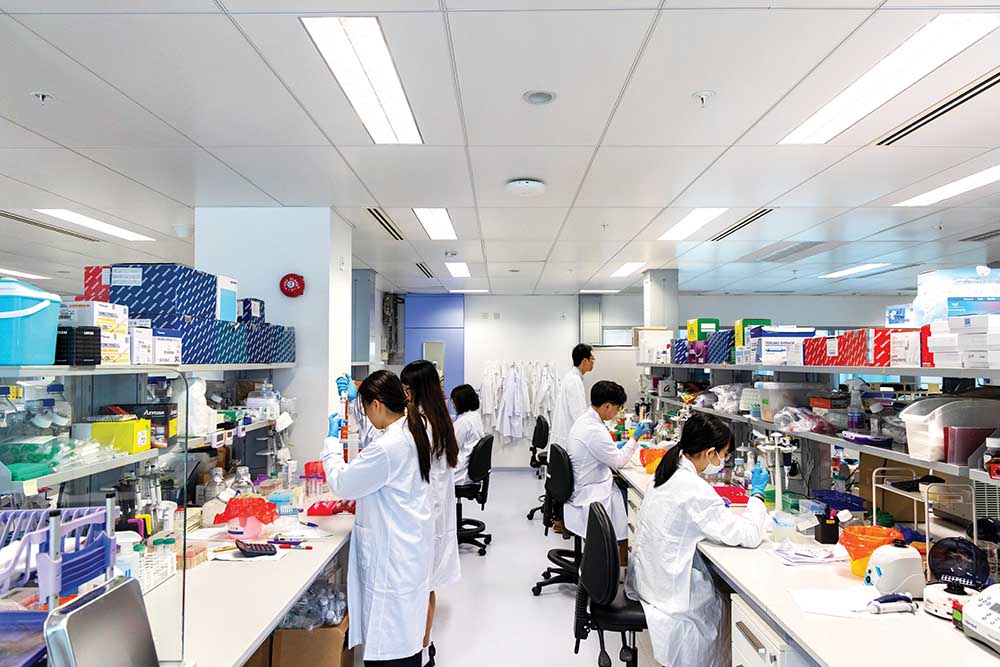
Laboratory
▲ The hospital will allocate its laboratory space flexibly so that apart from the current two universities, other institutions and teams with the interest and capability to advance paediatric medicine can also conduct research here.

Previous  Content  Next