


 Patients and Parents
 Visitors
 Healthcare Professionals
 Research
 Donate and Support
 About HKCH
HKCH Newsletter
High-caliber research brings new hope
- Share :
-

-

-

-


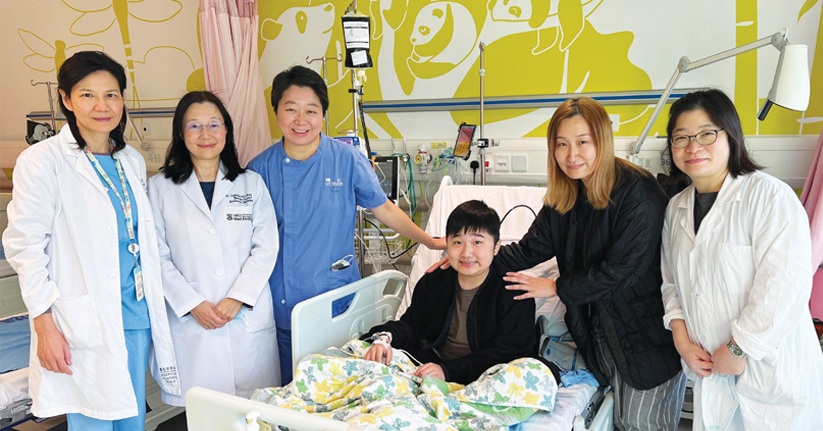
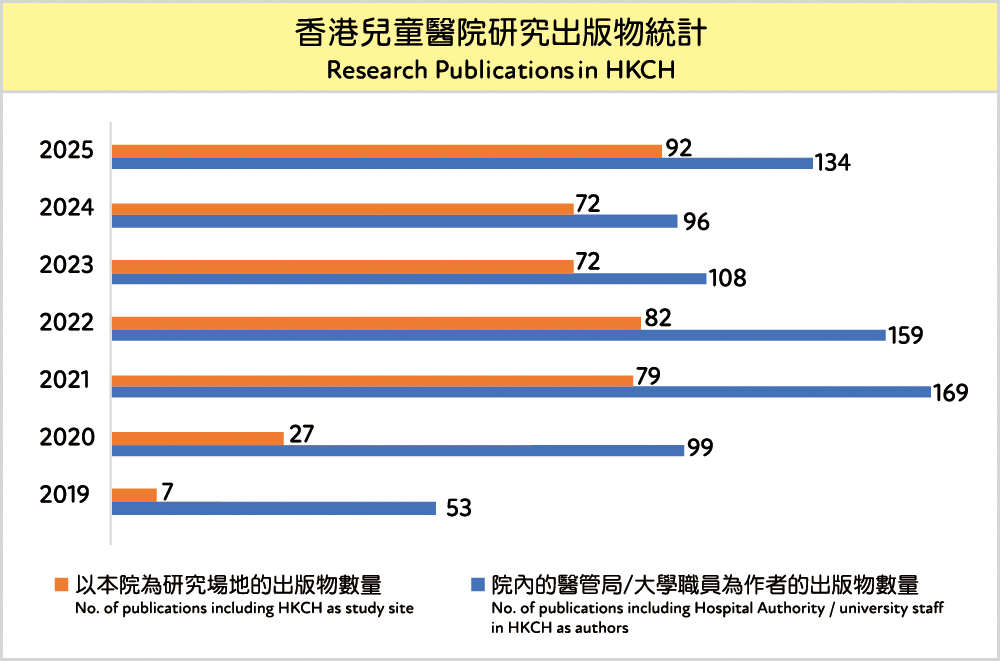
HKCH spearheads the development of paediatric medicine in Hong Kong. Various hospital teams are leveraging on this role to pioneer innovative and impactful research. The following highlights three of these projects, demonstrating how research brings new hope for our patients.
A platform to test HK-made CAR-T products
HKCH introduced CAR-T cell therapy in 2021 to treat children with acute lymphoblastic leukaemia. However, relying on overseas manufacturing results in high costs and extended lead times. HKCH is now collaborating with investigators from two universities to conduct two clinical trials for locally made CD19 CAR-T cell products.
Dr Daniel Cheuk, Consultant (Paediatrics and Adolescent Medicine), is leading one of the trials which studies the efficacy and side effects of the product and evaluates its quality. "Local production is a game-changer," said Dr Cheuk. "It can significantly cut costs and waiting times, possibly benefitting patients if the research yields positive results."
The hospital’s haematopoietic stem cell transplantation and cellular therapy centre provides the conclusive conditions for the research, boasting advanced apheresis, isolation, and cryopreservation facilities, as well as concentration of all related patient cases in Hong Kong.
"Because CAR-T therapy targets refractory and relapsed cases, patient numbers are naturally limited," explained Dr Cheuk. "Centralising these cases allows us to accumulate experience and manage resources effectively." He reckoned that Hong Kong is keeping pace with international standard, and hopes that more CAR-T products for different conditions will be available in Hong Kong soon.
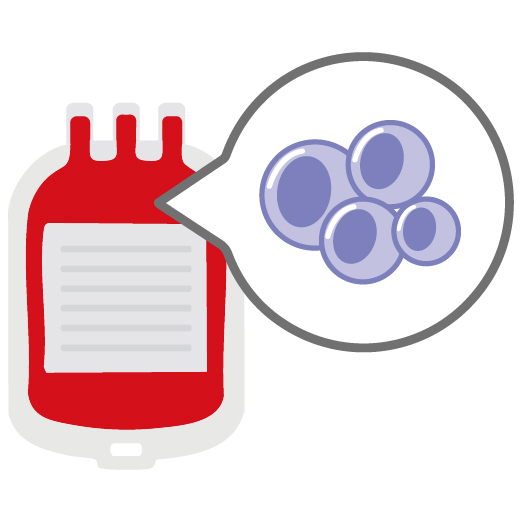
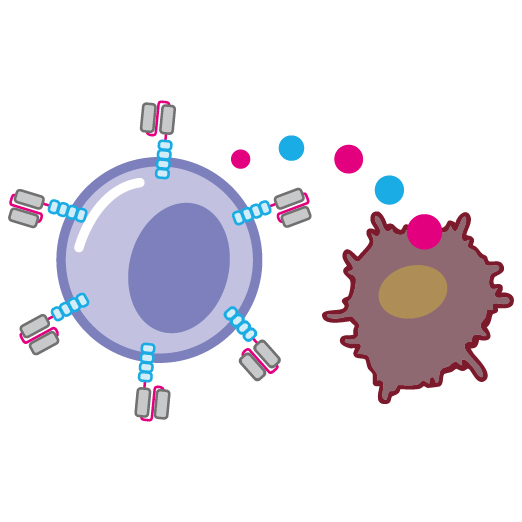
What is CAR-T cell therapy?
CAR-T cell therapy is an immunotherapy that genetically modifies a patient's T cells to specifically identify and attack cancer cells.
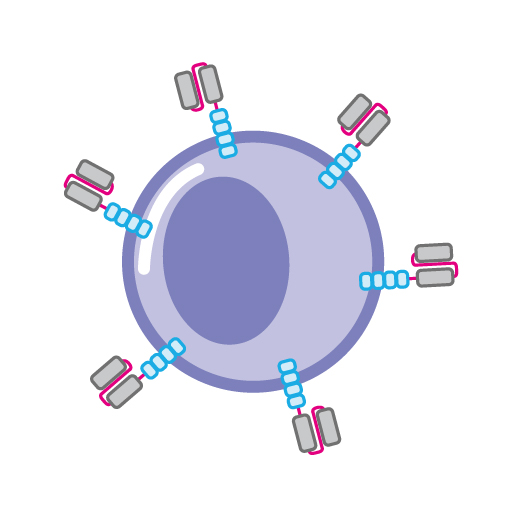
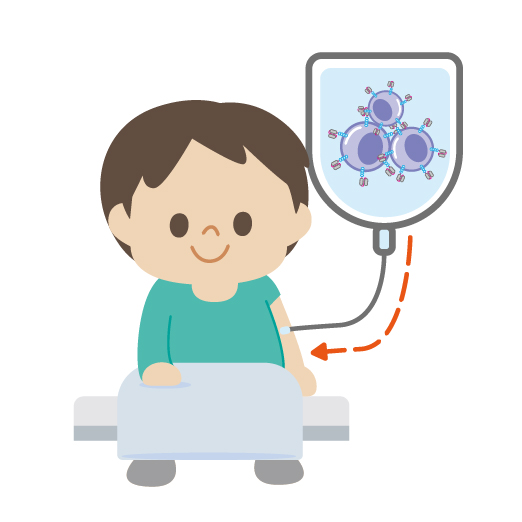
attack cancer cells
Contributing to HK Genome Project to break diagnostic odyssey
For many living with rare diseases, the search for a diagnosis is a long and frustrating journey. As a partnering centre of the Hong Kong Genome Project (HKGP), HKCH is turning tide by recruiting patients for whole genome sequencing to uncover the causes of diseases.
| HKCH Participation in HKGP | |
|---|---|
| No. of families referred* | 8,513 |
| No. of patients referred* | 20,392 |
| Diagnostic yield among patients who have received report#
|
~30% |
Chief of Service (Clinical Genetics) Dr Luk Ho-ming highlighted that most available genomic data is from the West, leaving Asian and Southern Chinese populations underrepresented. Collecting local genomic data not only provides new insights to clinical diagnosis and treatments, but can also be used in medical research. He mentioned, "Among all public hospitals, only HKCH has a Department of Clinical Genetics. The cases we refer to the HKGP encompass a wide age range, and they tend to be more complex. These are precious research materials." Also, obtaining genomic data from the entire family is preferred for a more thorough analysis. He explained, "It is easier for us to reach patients' parents here and arrange cascade testing for them, which is a big advantage for raising diagnostic yield."
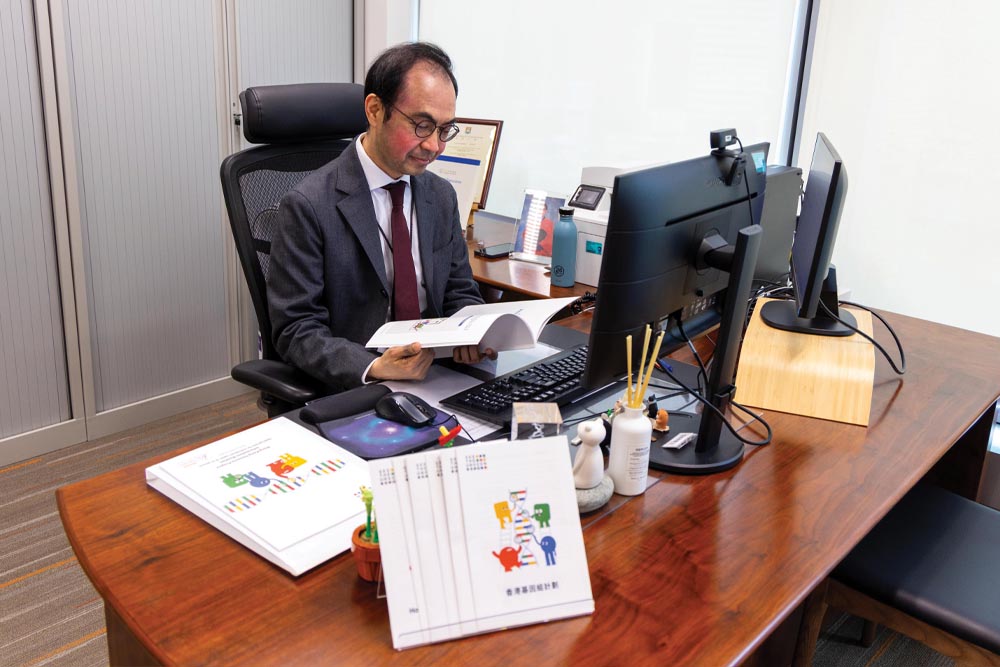
Last year, HKCH staff co-authored a paper in The Lancet, revealing that one-third of participants in the HKGP pilot phase received a new diagnosis after undergoing whole genome sequencing. "With each test, patients have one more opportunity to get an answer," Dr. Luk expressed.
Gene therapy research - a big leap forward
HKCH is participating in two international clinical trials to study the efficacy and safety of gene therapy for Duchenne Muscular Dystrophy (DMD) across different age groups. Six participants have already successfully participated in the trials.
Gene therapy works by using a non-infective AAV viral vector to deliver modified genes directly into a child's muscle cells, enabling the body to produce normal functional proteins to compensate for the deficiencies and improve the function of affected muscle cells. Dr Sophelia Chan, Clinical Associate Professor of the University of Hong Kong Department of Paediatrics and Adolescent Medicine and Honorary Consultant of the HKCH, emphasized the rigorous preparations behind the study. "To ensure that the medication is not contaminated, the Pharmacy Department designated a room for its preparation, and established a new protocol for handling it." Additionally, all relevant staff have undergone training. "This is a true multidisciplinary effort among neurology, cardiology, radiology, physiotherapy, pharmacy, and nursing teams to support patients throughout their clinical trial journey and after the investigatory drug treatment."
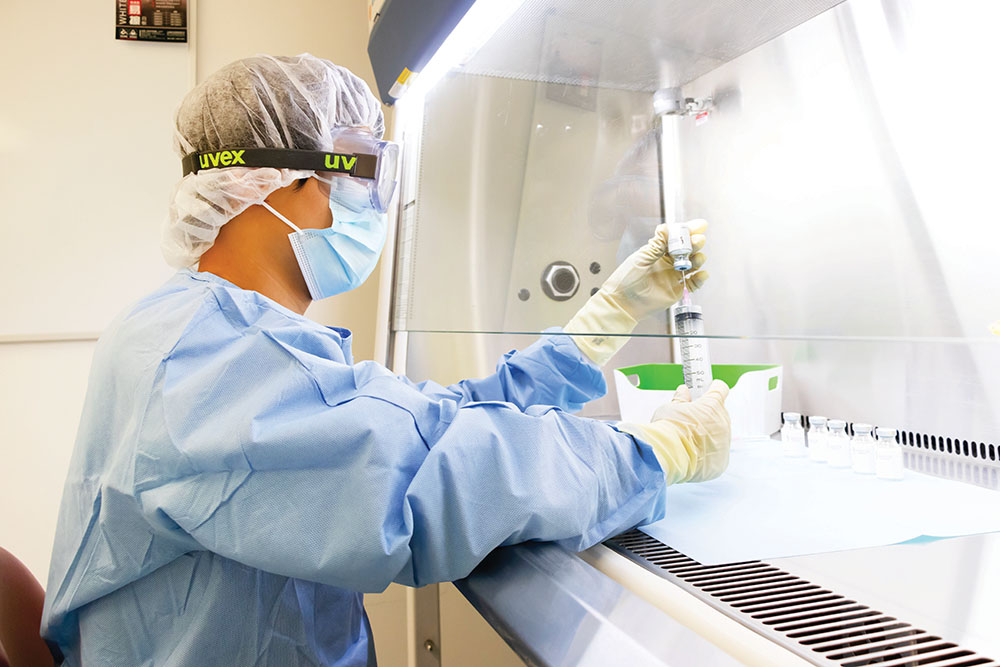
When she learned that the trial was set to begin, Dr Chan immediately invited paediatric neurologists across Hong Kong to refer eligible patients. "I felt a united effort from our colleagues, hospital management, and the government to make this research possible to find the best therapy," she said.
Participant: a glimmer of hope at last
16-year-old Yung Hok-yat is a participant of the trial. His mother admitted that while she had long been aware of the technology overseas, she never imagined it would be available locally. Everything changed when her son was referred to the HKCH. "I could feel the close-knit network between the research team and other doctors," Mrs Yung noted. "They could identify children who are the right fit for the trial."
Both Hok-yat and his mother expressed deep gratitude for the research team's dedicated care. "They patiently answer all our questions. We even have a direct line to call whenever we need help." The family hopes to share their journey with other patients once the study is complete, offering a hand of support.