HKCH Newsletter
Cardiac imaging: small heart, big challenge
As the designated referral centre of paediatric cardiac diseases in Hong Kong, HKCH has introduced cutting-edge imaging technologies to tackle conditions like single ventricle circulation, transposition of the great arteries and heart transplant, transforming how these tiny hearts are understood and treated.
Precise imaging facilitates better treatment
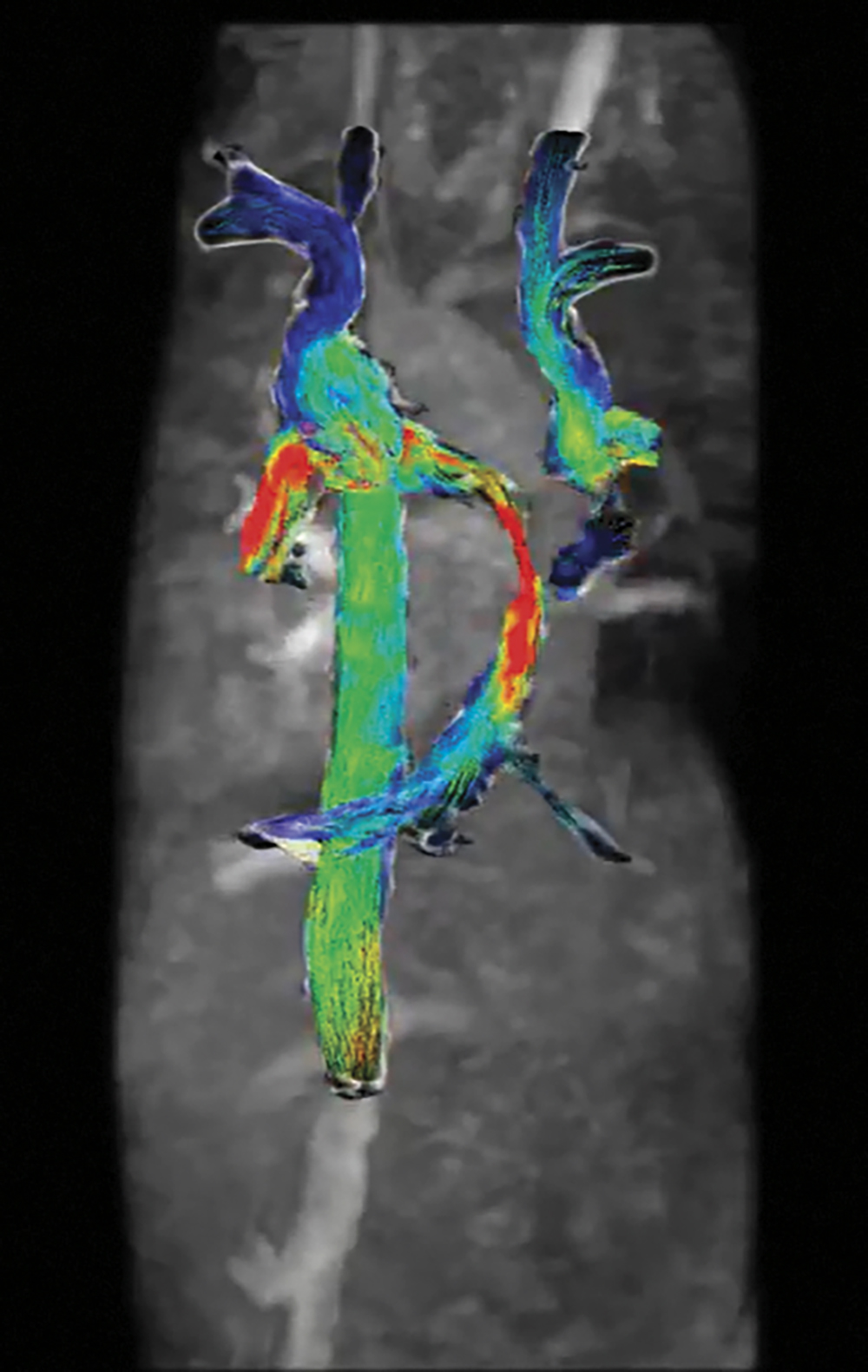
HKCH is the only public hospital that offers 4D-flow MRI. Associate Consultant (Radiology) Dr Milly Chiu explained that compared to traditional MRI, this technology comprehensively displays blood flow dynamics throughout the heart and blood vessels. “A good image speaks louder than words,” she emphasized. It also spares patients from invasive cardiac catheterisation or ionizing radiation.
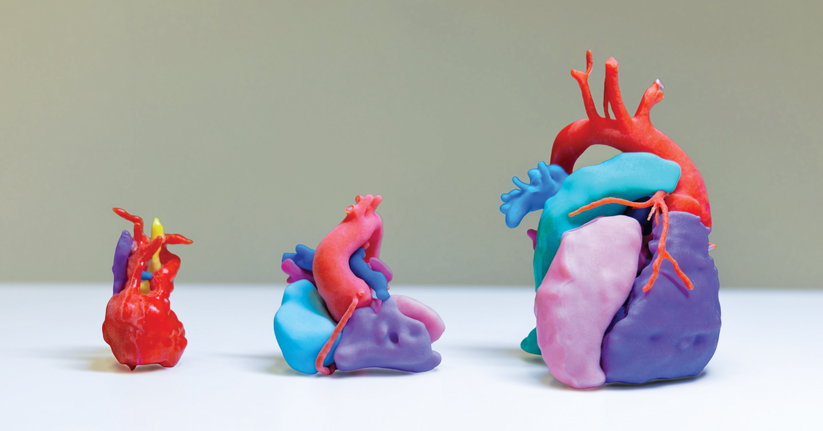
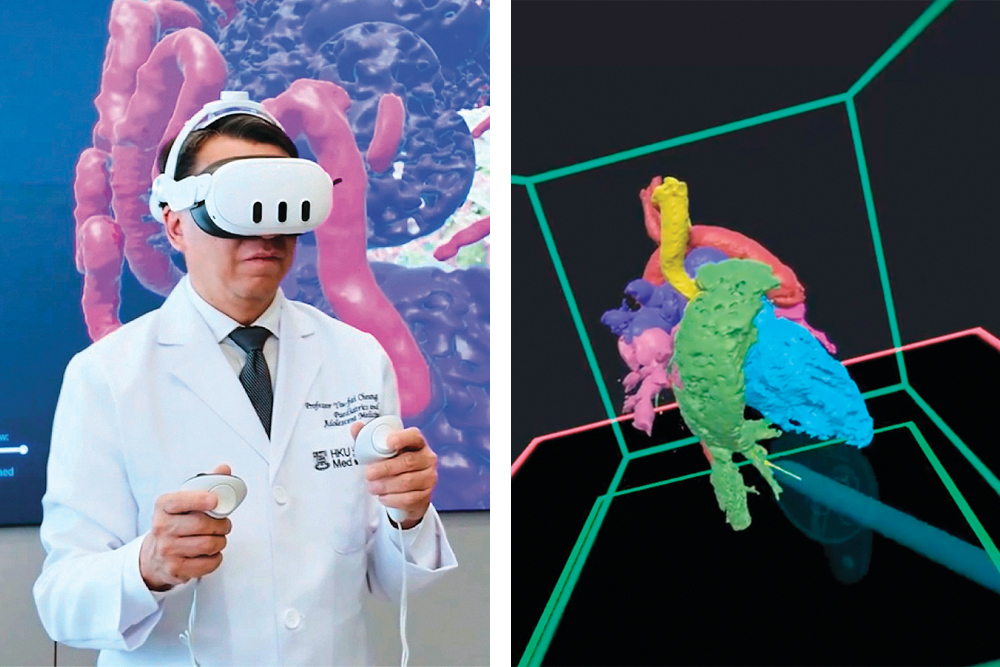
Every congenital heart defect is unique. Radiology collaborates with the Department of Paediatrics and Adolescent Medicine of the University of Hong Kong to transform patients’ scan images into immersive virtual reality experience and realistic 3D-printed models. Associate Consultant (Radiology) Dr Carol Ng highlighted, “These tools help the attending doctors visualize the hearts’ anatomy and formulate personalized surgical plans more effectively.”
A mission against time
Cardiac imaging for children is challenging due to their small heart size and rapid heart rates. Rare cases further put the team’s skills and coordination to the test. Dr Ng once performed a cardiac CT scan for a child on extracorporeal membrane oxygenation, but this life-sustaining device had to be briefly paused during the process.
While it sounded perilous, it was backed by thorough planning. “With the Cardiology and Paediatric Intensive Care Unit, we assessed that the child could tolerate a 40-second pause. We ran a full rehearsal beforehand so everyone was familiar with the workflow. On the day of the scan, the plan was seamlessly executed, saving every precious second.” She said with a smile, “Every time I handle a case like this, my heart beats faster than the patient’s!”